No results found, please try a different search term.
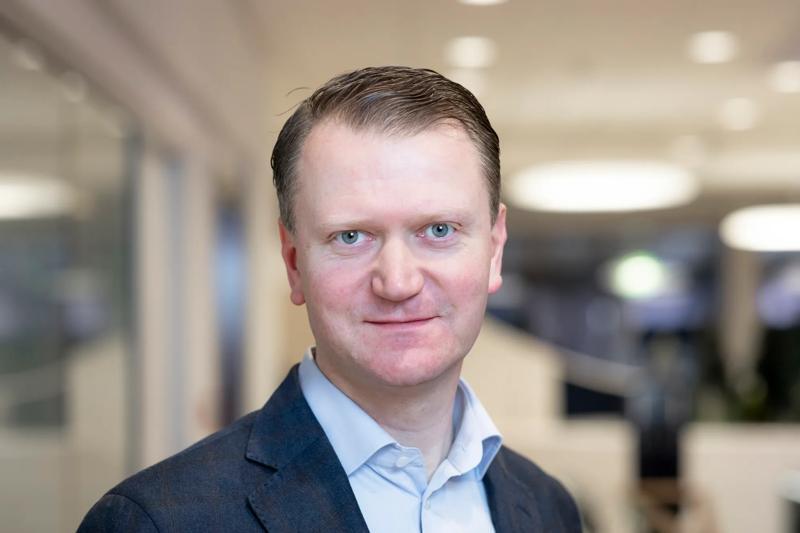
ISS Group CEO
Kasper Fangel
"This year marks the 125th anniversary of ISS. From our beginnings as a small night-watch firm in Copenhagen, we have grown into a global leader in Integrated Facilities Services. Today, more than 325,000 dedicated employees serve over 40,000 customers across 60 markets.
And we are not done yet. ISS will continue to grow and evolve – creating more great service moments for our customers and new opportunities for people and communities worldwide. Above all, ISS is, and will always be, about people – and we will continue to make space for people and businesses to thrive."
A story that began in Copenhagen in 1901 has grown into one of the world’s leading service organisations. From a small night watch company founded to protect the streets of the Danish capital, ISS has continually reinvented itself — guided by an entrepreneurial spirit, a commitment to people, and a belief in the power of service.
Over more than a century, the company has expanded across continents, navigated world events, pioneered new service concepts, and shaped the modern outsourcing industry.
Take a look at our journey and key milestones below.
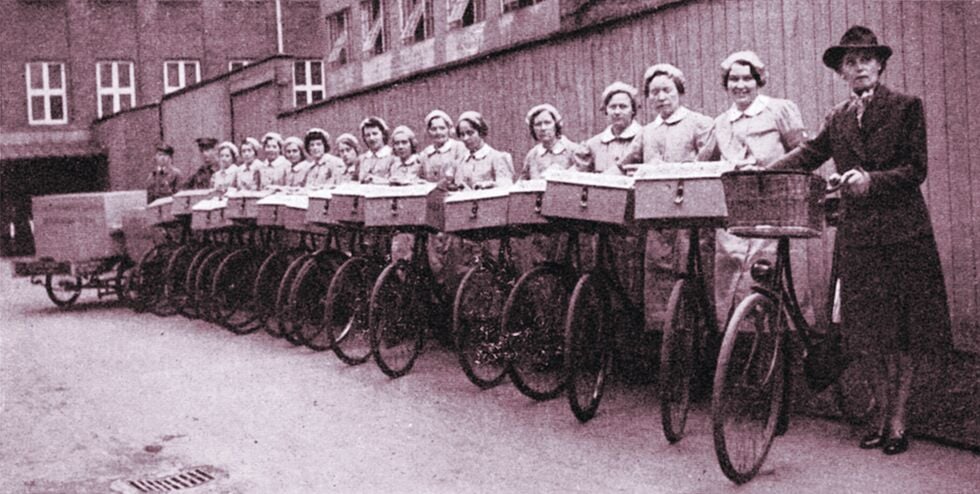
Welfare
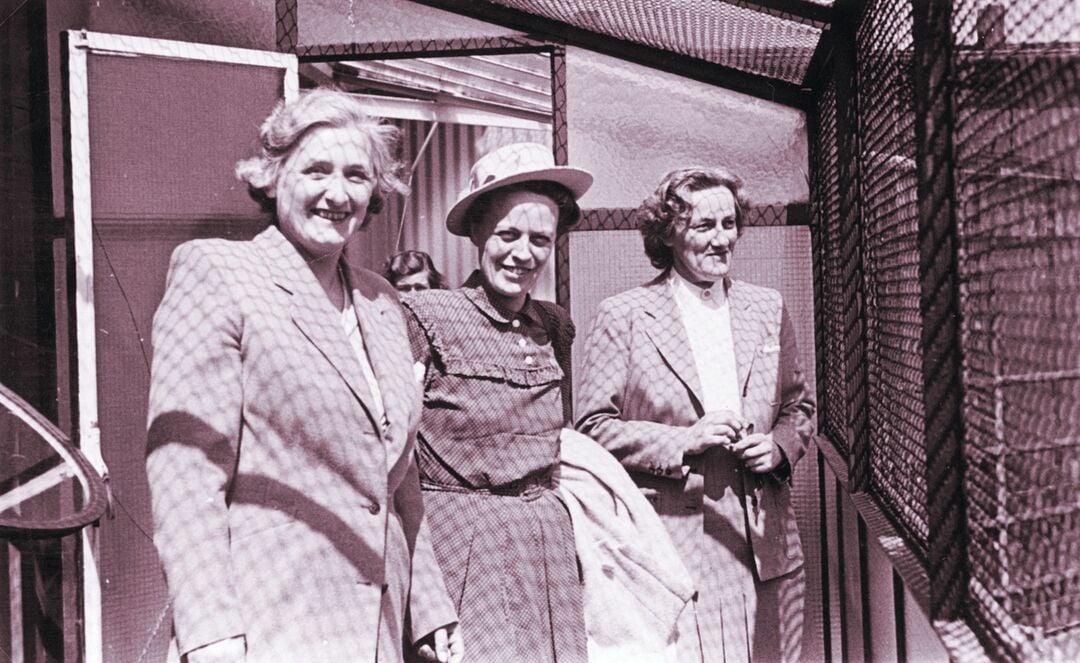
Gerda Buhl (right) transformed employee welfare at ISS by offering compassionate, practical support to cleaning workers. Through home visits, social counselling, access to benefits, housing help and respite holidays, she strengthened wellbeing, stability and dignity. Her legacy is a culture of care that recognised employees as people first and set new standards for workplace welfare.
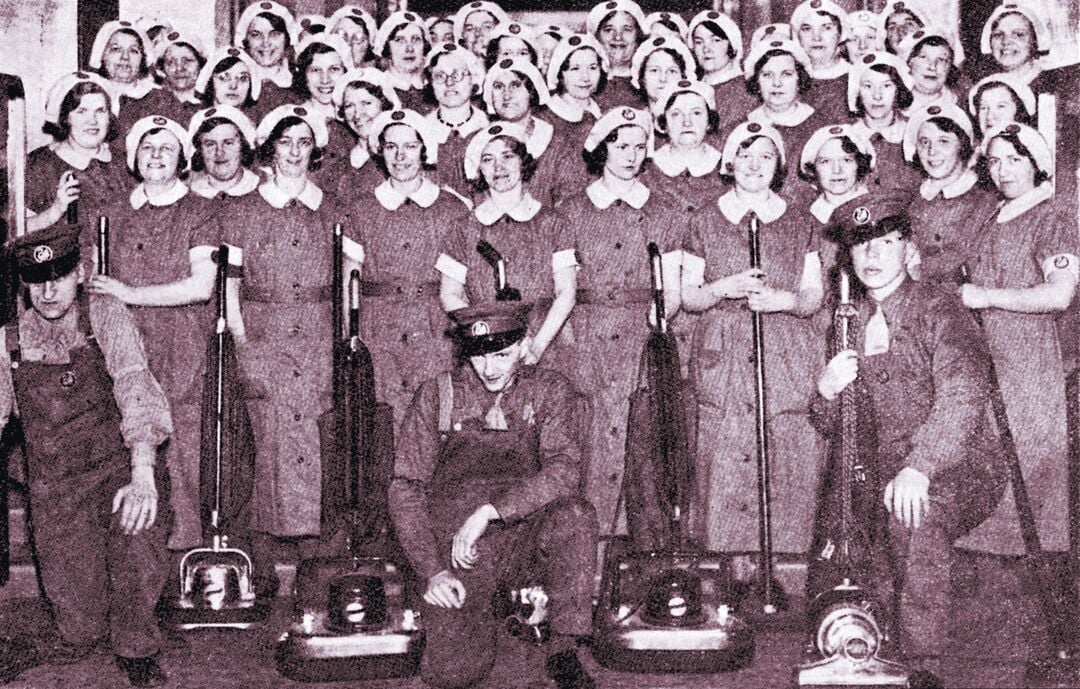
Training
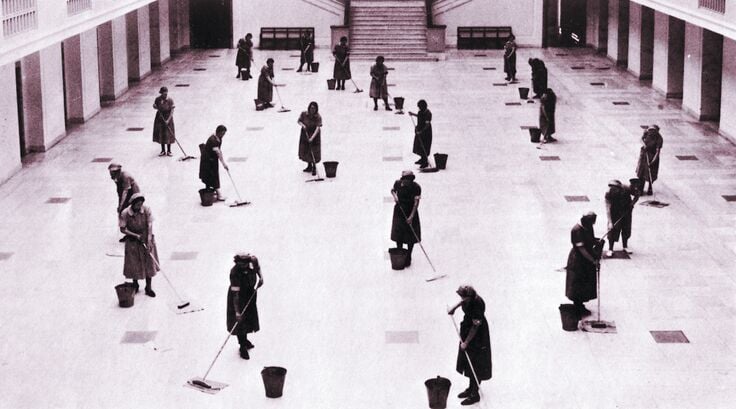
Training transformed ISS in the 1940s–60s by professionalising cleaning, introducing scientific methods and modern equipment, and raising service quality. Dedicated schools, structured instruction and technical innovation empowered employees, improved efficiency and supported rapid expansion. This commitment to skills and standards helped ISS evolve from a national cleaner into an emerging international service leader.
Standards
ISS's growth after the war enabled us to standardise methods, training and equipment across expanding operations. This consistency improved quality, efficiency and reliability, allowing services to scale nationally and internationally. Standardisation strengthened our brand, enhanced customer trust and created a unified way of working that supported rapid diversification and the evolution of modern integrated service delivery.
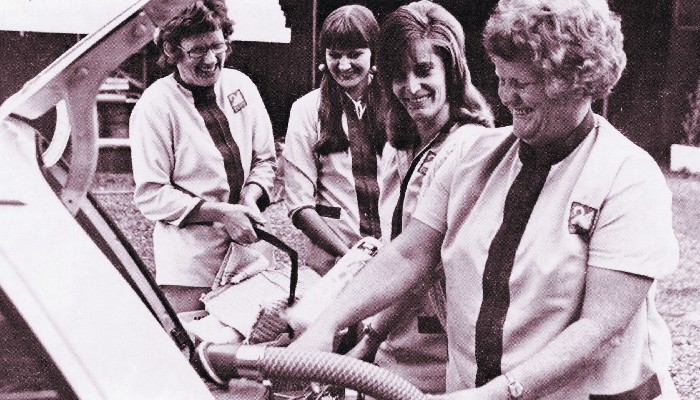
Innovation
ISS has always embraced innovation – pioneering new tools, equipment and methods to make work safer, faster and higher quality. From early mechanised polishing machines to scientific cleaning techniques and modern service technologies, ISS continually led the industry, transforming efficiency and elevating standards across every service it delivered.
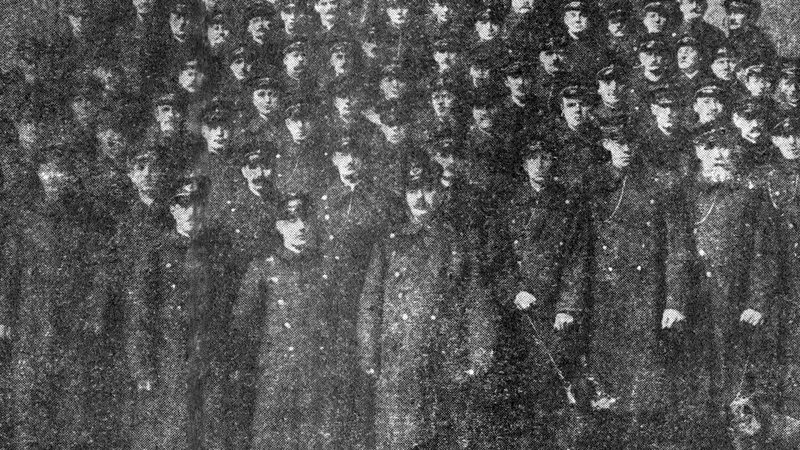
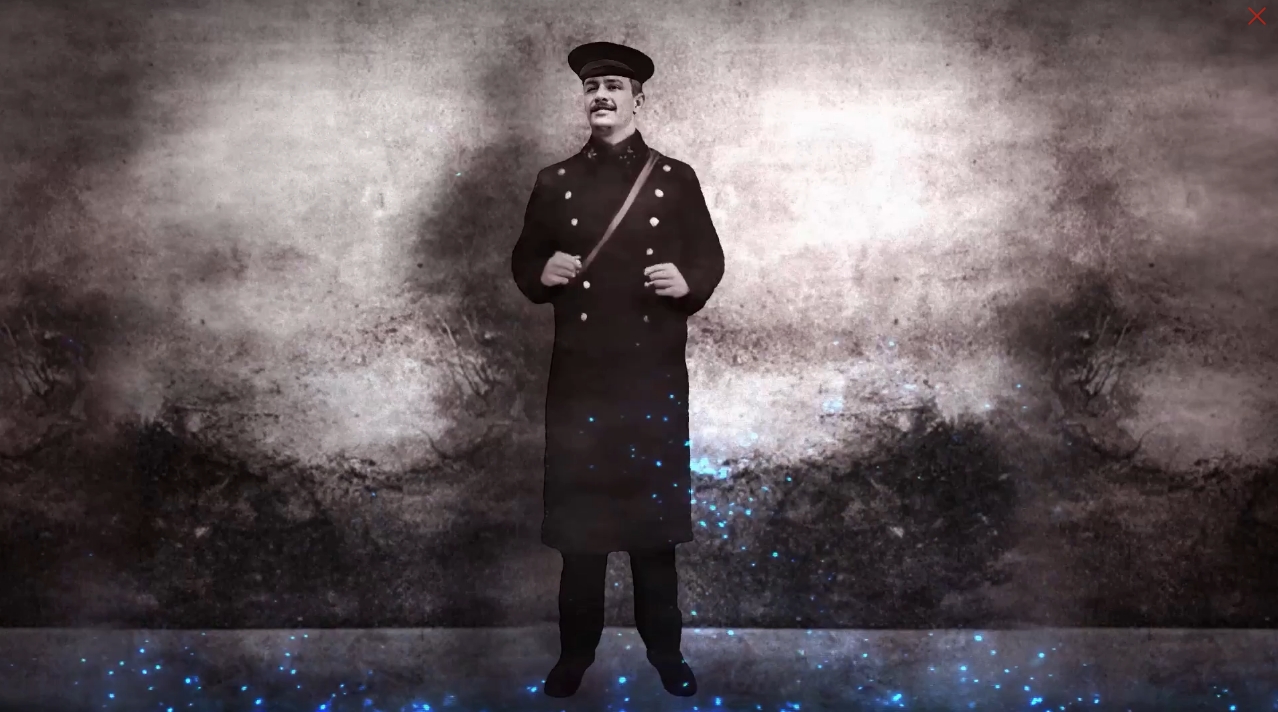
Nightwatchman – 1901
From a small security company in 1901 to a global leader today, one thing remains the same: ISS is all about people. Back then, the night watchman’s job was to create safety for customers.
Today, our committed colleagues live our values, making workplaces secure, welcoming, and productive for millions around the world.
Cleaner – 1945
Although ISS began as a security company, we became known worldwide for cleaning – and for good reason.
We were the first to professionalise the industry, introducing training, modern equipment, and even new job titles. Our goal? To deliver the best quality and raise the status of the profession.

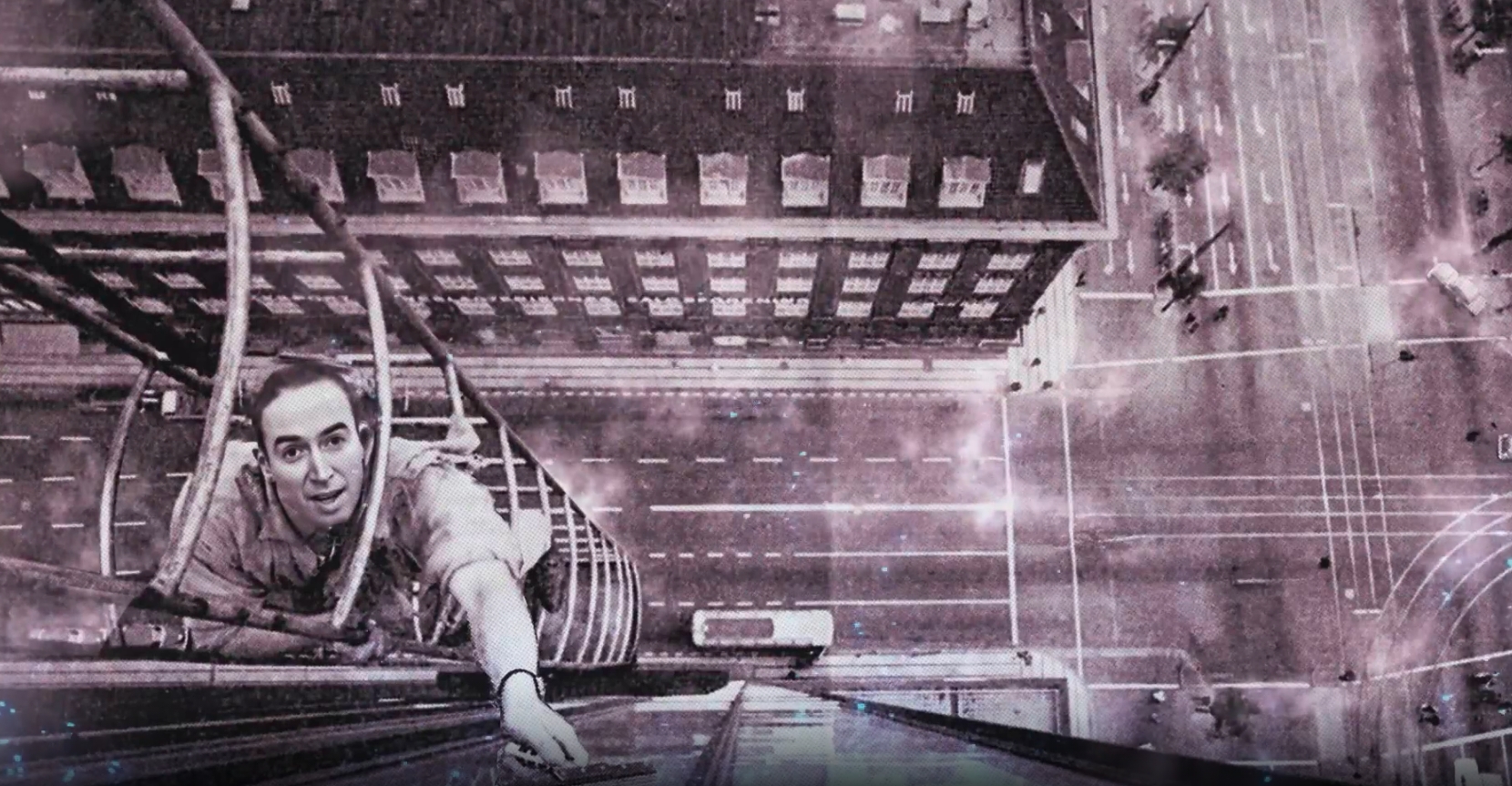
Window cleaner – 1960s
In the 60s and 70s, ISS expanded worldwide but never lost focus on safety and quality. We created our own standards to ensure every customer experienced the same high level of ISS service, no matter where they were.
That commitment to quality has stayed strong for more than 100 years and we’re proud of it.
Where will the next 125 years take us?
Wherever time takes us, ISS is proud to be an innovator, working in true partnership with our customers to build the workplaces of tomorrow and, of course, working to achieve our mission of creating space for people and businesses to thrive.
Help us write the next chapter of our story.